1. Aristotle
Introduction and Key Questions
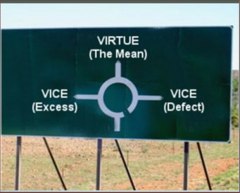
In his Nicomachean Ethics, Aristotle (384-322 B.C.E.) describes the happy life intended for man by nature as one lived in accordance with virtue, and, in his Politics, he describes the role that politics and the political community must play in bringing about the virtuous life in the citizenry. The Politics also provides analysis of the kinds of political community that existed in his time and shows where and how these cities fall short of the ideal community of virtuous citizens.
His views on the connection between the well-being of the political community and that of the citizens who make it up, his belief that citizens must actively participate in politics if they are to be happy and virtuous, and his analysis of what causes and prevents revolution within political communities have been a source of inspiration for many contemporary theorists, especially those unhappy with the liberal political philosophy promoted by thinkers such as John Locke and John Stuart Mill.
From Internet Encyclopedia of Philosophy: http://www.iep.utm.edu/aris-pol/
Guiding Questions:
- How do Plato and Aristotle differ in terms of human emotion and governance?
- How does Aristotle position division of labor in a society?
- What kind of view does Aristotle have of human nature?
Readings and Resources
Readings
Aristotle "Politics" Politics.pdf
The Political Thought of Aristotle and Plato (purchase ebook here)
Videos
Aristotle by The School of Life 2014
Aristotle and the Politics by The Rugged Pyrrhus 2014
Powerpoint
Aristotle and Political Structures aristo-politics.ppt
Additional reading
remembrance_of_things_past.pdf
_______________________________________________________
Aristotle and Moderation Discussion
Join HERE
Background Colour
Font Face
Font Kerning
Font Size
Image Visibility
Letter Spacing
Line Height
Link Highlight
Text Colour